 Gummy Mob
A short history of gummy bears
How a sweet maker in Bonn turned the dancing bears of old fairs into one of the best known sweets in the world.
In this guide
Gummy bears were invented in Germany by Hans Riegel, who founded HARIBO in Bonn in 1920 and launched a bear-shaped fruit gum called the Dancing Bear in 1922. The shape came from the trained bears people saw at fairs and markets. The Dancing Bear later became the smaller Goldbear, which reached shops in 1960, became a registered trademark in 1967 and got its compact modern shape in 1978.
Gummy bears feel like they have always been around. They show up in lunchboxes, cinema snacks, cartoons and, yes, in games like ours. But the little bear has a clear starting point, a named inventor and a story that is easy to follow.
This guide walks through the history of gummy bears step by step, explains how they are made, and ends with a few ideas for turning the story into a small family activity. All dates come from HARIBO's own published company history and from general reference sources.
Who invented gummy bears?
The gummy bear started in a home kitchen in Bonn, Germany. Hans Riegel founded his sweet company there on 13 December 1920. The name HARIBO is made from the first letters of his name and his town: HAns RIegel BOnn.
His wife Gertrud joined in 1921 as the company's first employee. A year later, in 1922, Riegel launched the sweet that would make the company famous: a fruit gum shaped like a bear, called the Tanzbär, or Dancing Bear.
Why a bear? For centuries, trained "dancing bears" were a common sight at street festivals and markets in Europe. A bear-shaped sweet was something children already knew and liked to see. Today we know those bears were treated badly, and the practice has long ended in most of Europe, but the sweet that borrowed their shape lives on.
From Dancing Bear to Goldbear: a timeline
The first bears were not quite the gummy bears you know today. They were much larger, and early recipes used gum arabic, a natural gum from acacia trees. That gum is where the words "gum" and "gummy" come from. Most gummy bears today use gelatin instead, which gives the familiar chewy bounce.
Here is the history of gummy bears as a simple timeline:
- 1920: Hans Riegel founds HARIBO in Bonn.
- 1922: The Dancing Bear fruit gum goes on sale.
- 1925: Liquorice production starts, along with a "Black Bear".
- 1930: A "Teddy Bear" joins the range, and the company slogan for children is created.
- 1960: The Goldbear (Goldbär in German) reaches the market.
- 1967: The German Patent Office registers Goldbears as a trademark.
- 1978: Goldbears get the compact, stylised shape still sold today.
- 1982: HARIBO opens a small office in Baltimore, its first step into the United States.
So the bear went through several versions over almost sixty years before it settled into the small, neat shape you picture now. Other sweet makers around the world have made their own gummy bears too, which is why "gummy bear" is now a general word for the sweet, not just one brand.
How gummy bears are made
The basic method has stayed surprisingly simple. Factories use a machine called a starch mogul:
- A tray is filled with fine, dry starch powder and smoothed flat.
- A stamp presses rows of bear shapes into the starch, leaving little bear-shaped hollows.
- A hot, liquid mix of sugar, syrup, gelatin, flavour and colour is poured into each hollow.
- The trays rest so the mix can cool and set, often overnight.
- The set bears are lifted out and the starch is shaken off, ready for the next tray.
Because the moulds are open on top, the bear is shaped mostly on its front. Turn a gummy bear over and you will often see a flatter back. Modern gummy bears are only about 2 centimetres long, which is part of why they are easy to share.
If you avoid animal products, note that classic recipes use gelatin. Many shops now sell versions made without it, so check the label.
Why every bear has a colour
One of the most fun things about a bag of gummy bears is sorting them. A bag usually mixes a handful of bright colours, such as red, green, yellow and orange, and most people quickly pick a favourite.
That colour sorting is a small game in itself. Children line the bears up, swap favourites and argue about which colour tastes best. If you like that kind of play, our guide to color matching games for kids has screen-free ideas that work well with a handful of sweets or coloured blocks.
Gummy bears in games
A century after the Dancing Bear, gummy bears are now game characters too. They are bright, round and instantly easy to read on a small screen, which makes them a natural fit for fast casual games.
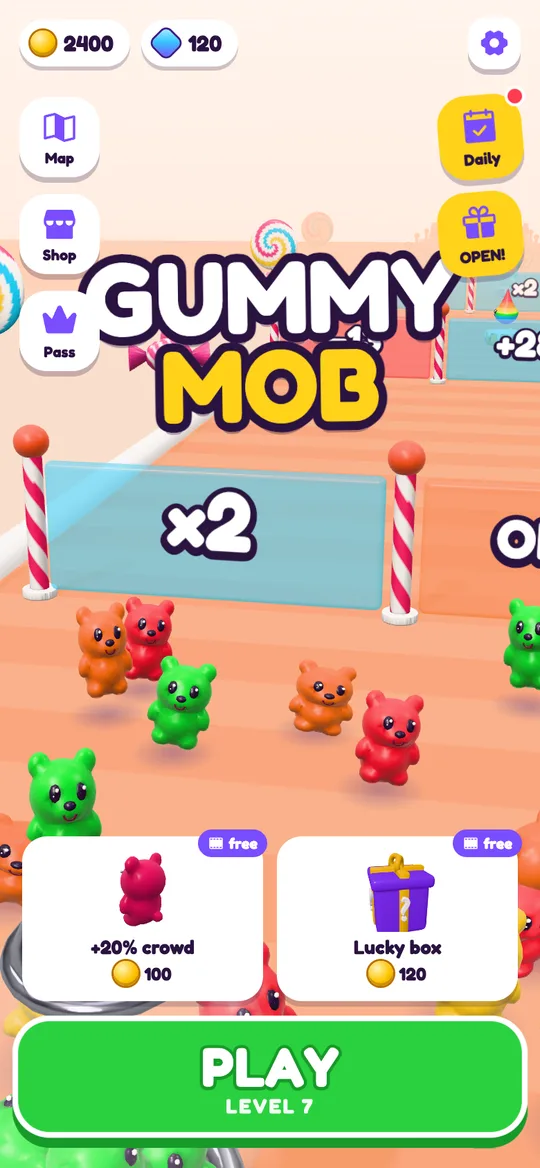
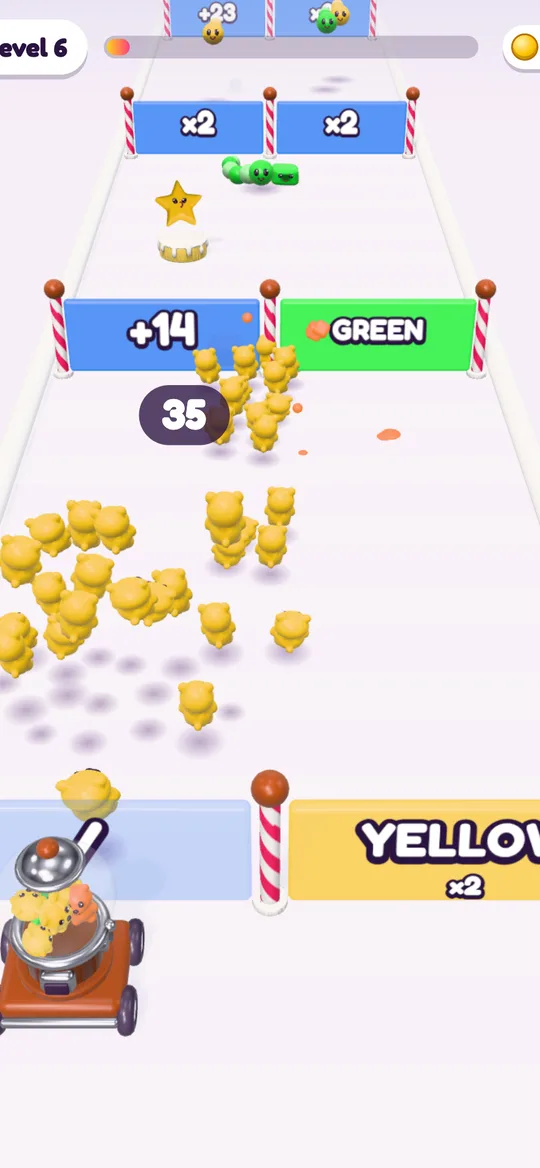
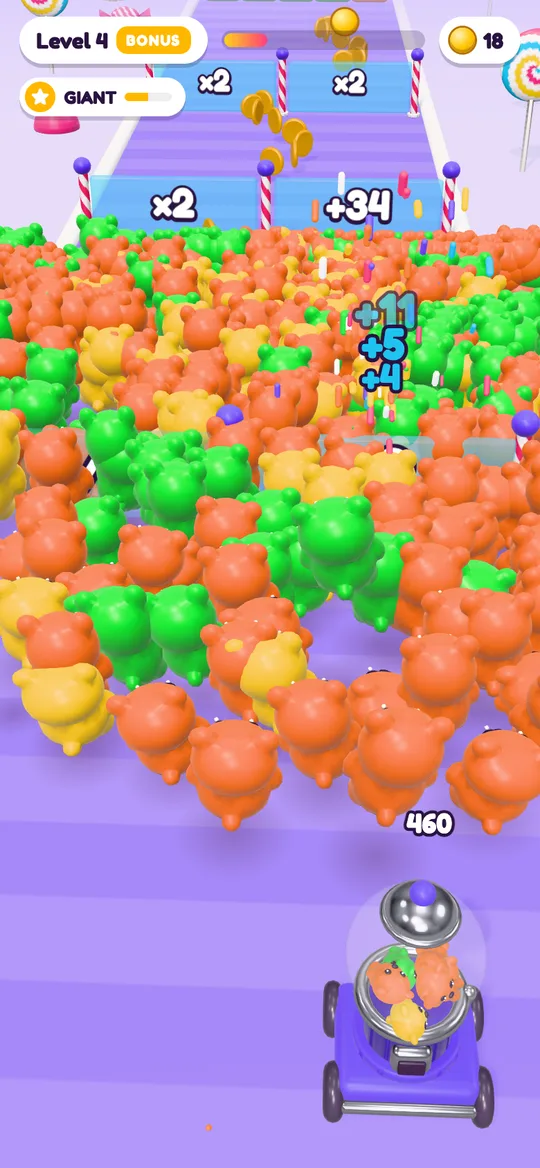
In Gummy Mob, you fire a stream of gummy bears from a launcher and steer them down a candy road. Your crowd is always one colour at a time: red, green, yellow or orange. Colour gates switch the whole crowd, and bears that match the colour of a jelly enemy or a castle block hit 3 times harder.
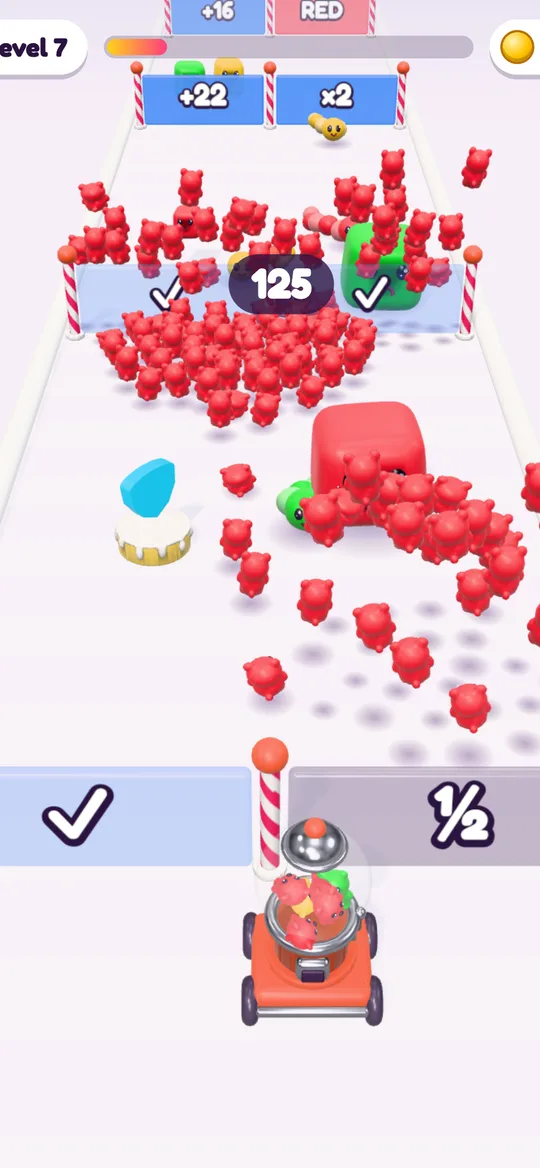
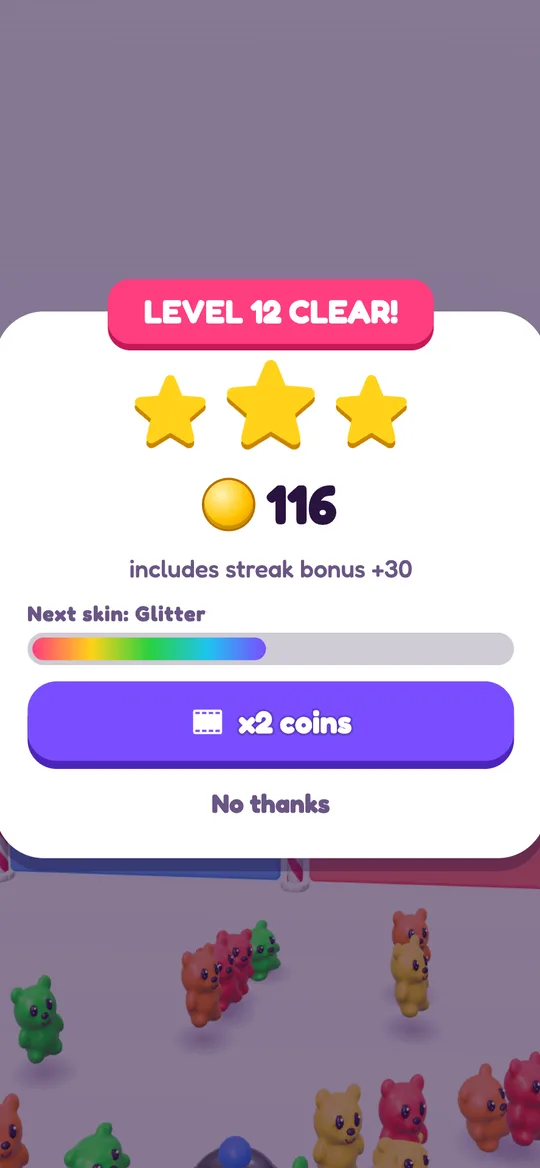
The game borrows plenty from the sweet shop. Enemies include jelly cubes, gummy worms and jawbreakers, traps include a sour lemon and a toothbrush, and you unlock bear skins called Glitter, Sour, Cola fizz and a legendary Rainbow by playing. If you are new to this kind of game, our explainer on what a crowd runner game is covers the basics, and the Gummy Mob color gates guide shows how to pick the right colour.
A gummy bear history activity for families
The story makes a nice five-minute activity at home or in class:
- Read the timeline above out loud and ask everyone to guess the year before you say it.
- Draw a "Dancing Bear" next to a modern bear and compare the shapes.
- Sort a few coloured objects, or a small bag of sweets, by colour and count each pile.
- Ask which colour each person would pick for their own gummy bear, and why.
It is a gentle way to talk about history, colours and how everyday things are invented, without needing a screen at all. Parents who want to know how our game handles ads and data can read is Gummy Mob safe for kids.
FAQ
Who invented gummy bears?
Hans Riegel, the founder of HARIBO in Bonn, Germany. He created a bear-shaped fruit gum called the Dancing Bear in 1922.
When were gummy bears invented?
The first gummy bear, the Dancing Bear, went on sale in 1922. Its successor, the Goldbear, reached shops in 1960 and got its modern compact shape in 1978.
Why are gummy bears shaped like bears?
The shape was inspired by the trained dancing bears that people saw at street festivals and markets in Europe at the time. Children recognised the animal straight away.
Why are they called gummy?
Early recipes used gum arabic, a natural gum from acacia trees, which gave the sweets their "gum" name. Most gummy bears today use gelatin or a plant-based alternative instead.
How are gummy bears made?
A hot sweet mix is poured into bear-shaped hollows pressed into trays of starch powder. The bears cool and set, then they are lifted out and the starch powder is shaken off.